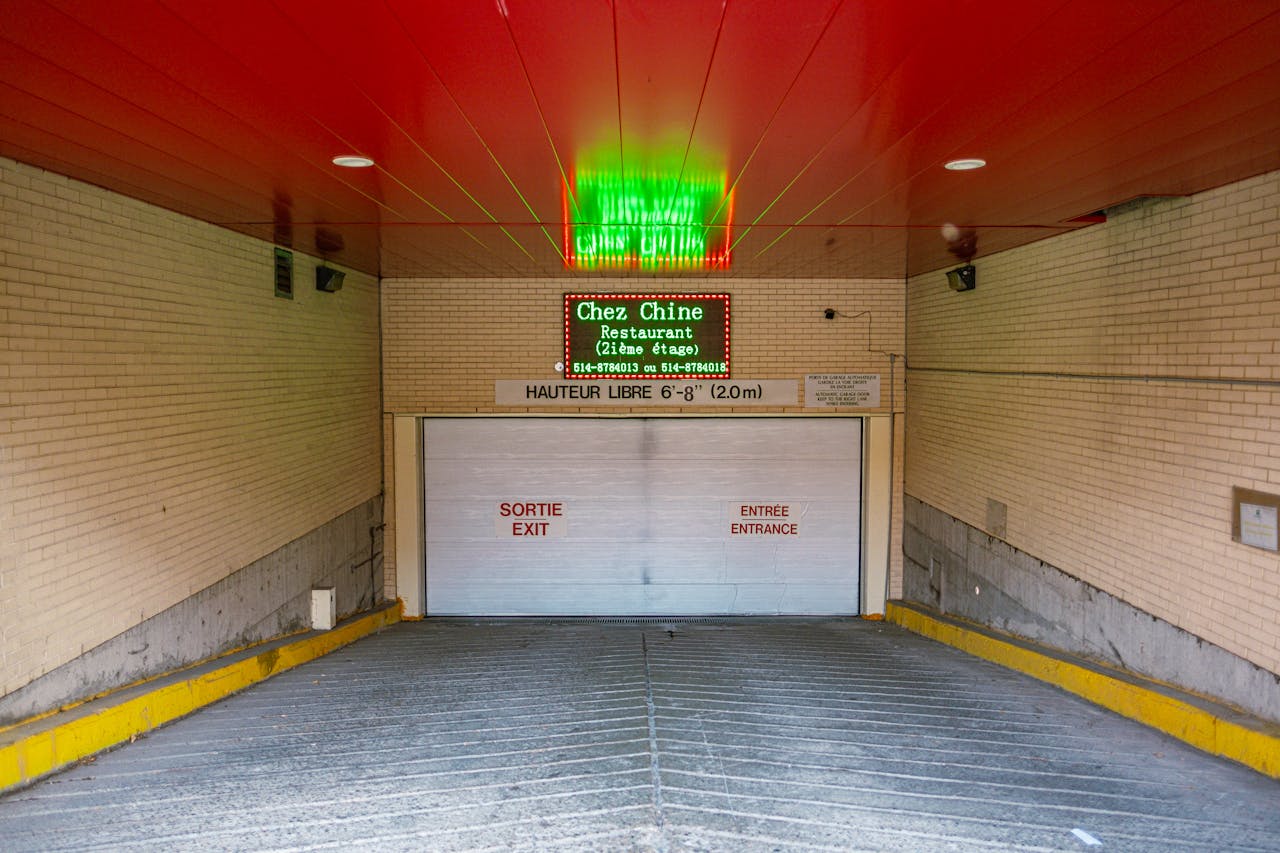
Securing your garage door against break-ins is essential for protecting your home and belongings. First and foremost, consider upgrading your lock system (this is often overlooked). A robust deadbolt can significantly enhance security. However, it’s not just about the lock; you should also inspect the door itself. If there are gaps, intruders might exploit them—because any weak point can be a potential entry.
Introduction
In the realm of home security, (the garage door) frequently goes unnoticed; however, it represents one of the most susceptible entry points in numerous residences. This oversight provides burglars with a comparatively simple access opportunity. Securing your garage door is paramount, not just for the protection of your vehicle and possessions, but also for the overall safety of your home. Although many may underestimate its importance, we will explore effective strategies to fortify your garage door against break-ins and reduce the chances of intrusion.
Strengthening the Garage Door
The primary barrier to unauthorized entry is, in fact, the garage door itself. Many conventional garage doors (which are quite common) are constructed from lightweight materials, thus making them relatively easy to force open. Upgrading to a more robust material—like steel or reinforced wood—can significantly increase the difficulty for burglars attempting to gain access. Furthermore, you might consider installing a garage door brace or a reinforcement bar; these are positioned inside the door, effectively preventing it from being forced open due to external pressure. Reinforcements, therefore, provide the door with additional strength, rendering it considerably more resistant to prying or kick-ins. However, even with these improvements, it is essential to remain vigilant, because security is an ongoing process.
Install a Smart Garage Door Opener
A sophisticated garage door opener represents a significant enhancement to the security of any residence. These devices (which are increasingly popular) enable users to oversee and manage their garage door from a distance (specifically through their smartphones). You’ll receive notifications if the door opens while you’re away; however, many systems also permit you to close the door from virtually anywhere. Smart openers frequently include supplementary security measures, such as rolling codes that alter with each use, thus complicating the efforts of burglars trying to intercept your remote signal. Some systems, although not all, even connect with home security cameras for enhanced protection. This integration is particularly beneficial because it offers an additional layer of surveillance.
Add Security Cameras and Lighting
The installation of security cameras (around your garage) can greatly diminish the likelihood of potential intruders. Visible cameras act as a potent deterrent to burglars, signaling that they are under surveillance; however, the presence of these devices also reduces the chances of a break-in. It is advisable to install cameras above the garage door, directing them towards the driveway and near other entry points. Although this strategy is effective, pairing it with motion-activated lights can enhance security because when a bright light activates unexpectedly, it tends to startle would-be intruders. This unexpected illumination can make them reconsider their actions and abandon their attempts.
Secure the Emergency Release Mechanism
One of the relatively obscure vulnerabilities associated with garage doors pertains to the emergency release cord. This cord is specifically engineered to disengage the door during a power outage; however, adept thieves can exploit it from the exterior to gain access. To mitigate this risk, you might consider installing a protective cover over the emergency release, or alternatively, disabling the cord entirely when you’re away for a prolonged duration. Although another solution exists—namely, using a zip tie to secure the release lever—this still enables you to pull it in case of an emergency, while simultaneously deterring outside tampering.
Use a Garage Door Timer
Numerous break-ins transpire primarily because homeowners neglect to secure the garage door. A timer for the garage door can effectively address this issue by automatically closing it after a predetermined duration. Whether you’ve vacated the premises or are still inside, having forgotten to push the button, this timer guarantees that your garage door remains closed, thus preventing burglars from easily gaining entry. (1) Install Keyless or Biometric Access Systems: Keyless entry systems—such as keypads or biometric fingerprint readers—offer an additional layer of security for your garage. These systems enable you to unlock the door without requiring a physical key or remote, which diminishes the likelihood of lost or stolen openers being exploited by intruders. Biometric systems, however, provide enhanced security because they necessitate a unique fingerprint for access. This renders it nearly impossible for anyone lacking proper authorization to enter your garage. (2) Reinforce the Door Between Garage and Home.
The doorway linking (your garage to your residence) is yet another vital area that requires fortification. Although a burglar might succeed in entering your garage, they should not be able to effortlessly gain access to the remainder of your home. Therefore, it is prudent to install a deadbolt or a high-security lock on this door. Furthermore, consider reinforcing it with a steel plate or utilizing solid-core construction. These additional barriers (1) can effectively deter intruders from swiftly breaking through. This, in turn, provides you and your family with increased time to react should an intrusion take place. However, neglecting such security measures could leave you vulnerable.
Keep Garage Door Openers Hidden
Many individuals tend to store their garage door remotes in their vehicles—often in plain sight. This practice is, however, quite unwise because it creates an accessible opportunity for burglars to invade your residence should they manage to break into your car. It is advisable to keep your remote hidden from view, ideally within a locked compartment; alternatively, you might consider bringing it inside with you. For enhanced security, you could switch to a keychain remote that you can carry at all times, thus eliminating the possibility of someone discovering it in your vehicle. (2) Disconnecting the garage door opener when you are away is also prudent. If you plan to be gone for an extended duration, disconnecting the garage door opener is a sensible precaution. This straightforward action effectively cuts off power to the system, preventing anyone from remotely accessing the door. It is a quick and easy measure to guarantee that your garage remains secure while you enjoy your vacation or are away from home.
Regular Inspections and Maintenance
To guarantee that your garage door stays secure, regular maintenance is (essential). First, check for any weak points in the door; this could include worn-out springs, damaged rollers, or loose hinges. You must also ensure that all security features—like motion sensors and locks—are functioning correctly. Regularly inspect your garage door opener and remote system for any signs of tampering; however, keeping everything in good working order is crucial. Although it may seem tedious, doing so ensures that your security measures are, indeed, always up to date.
Secure Garage Windows
Windows located in (or near) your garage can serve as convenient access points for burglars, allowing them to easily survey the interior and determine if there’s anything valuable to steal. However, you might contemplate obscuring the view by applying frosted glass or security film. Furthermore, reinforced glass or shatter-resistant window film can effectively deter intruders from gaining entry through these windows; this adds an additional layer of security. Although these measures require some investment, they can significantly enhance your safety.
Enhancing Interior Garage Security
Despite the numerous precautions implemented outside the garage, it remains crucial (however) to not overlook the interior. Consider, for instance, installing robust locks on all doors that connect the garage to the house. You might also want to add extra locks on cabinets or storage units located within the garage, particularly because (this) is where valuable items are often kept. An additional layer of security inside your garage can significantly complicate matters for thieves, making it more challenging for them to swiftly seize items and escape.
Conclusion
Ensuring the security of your garage door is (undeniably) an essential measure in safeguarding your residence from unauthorized access. There are various strategies available: from fortifying the door itself (which is fundamental) to investing in smart technology, as well as reinforcing potential entry points. However, this proactive approach can greatly diminish the likelihood of a break-in. Although some may overlook the garage, it serves as a critical entryway and taking action now can protect your home and possessions. Thus, by implementing these enhancements, you not only fortify your garage door but also contribute to your overall peace of mind—because safety should never be taken lightly.
FAQs
Can burglars break in through a garage door?
Indeed, garage doors (often considered an overlooked vulnerability) serve as a frequent entry point for burglars. This is particularly true when they are not adequately secured. Reinforcing the door is essential; however, simply adding security features can significantly diminish the risk. Although many homeowners might overlook this aspect, the importance of securing garage doors should not be underestimated—because doing so can protect one’s property effectively.
How does a smart opener improve security?
An intelligent garage door opener enables you to oversee and manage your door from a distance; providing immediate notifications if the door opens unexpectedly. This capability grants you enhanced control over who is permitted access to your garage. However, some may argue that such technology could lead to potential security risks. Although it offers convenience, you must remain vigilant about the associated vulnerabilities. Because of this, finding a balance between security and ease of use is essential.