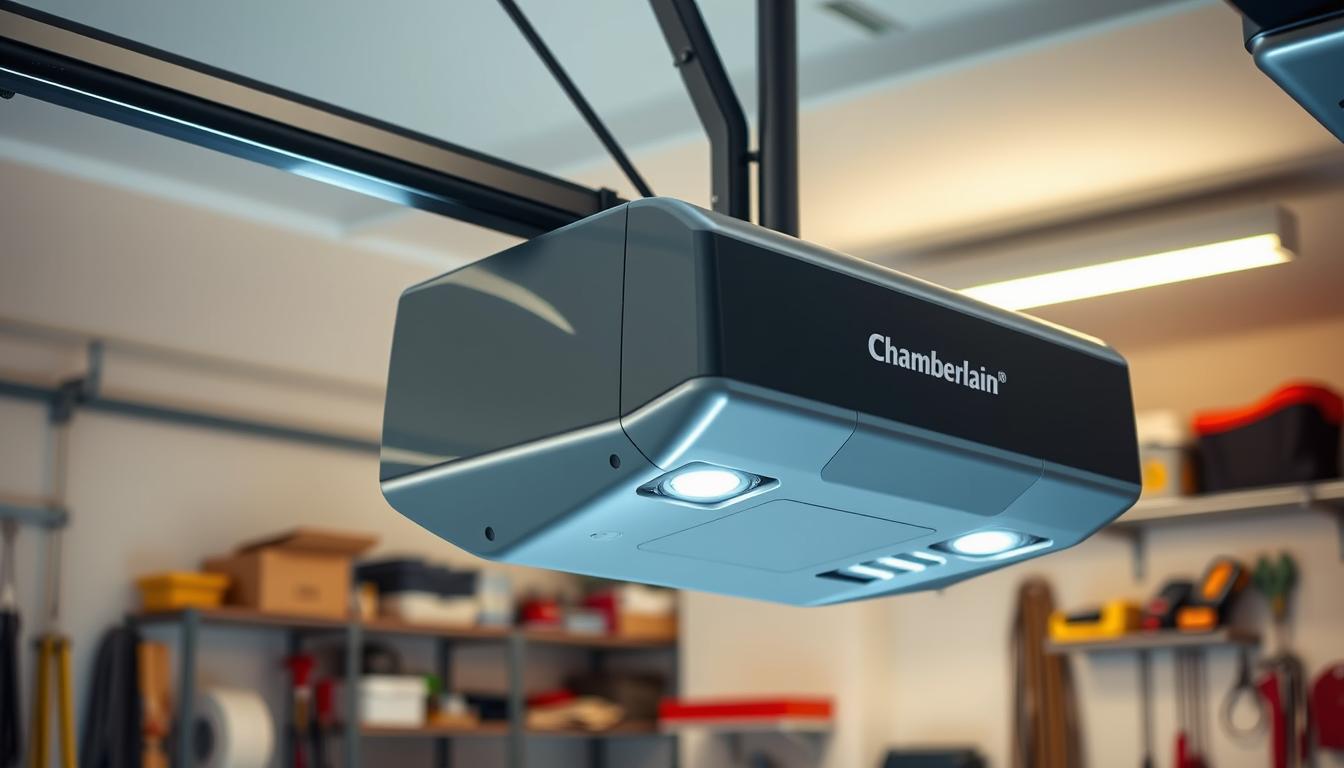
A functioning garage door system is crucial for the security and convenience of your home. The garage door opener is a vital component of this system, allowing you to easily open and close your garage door.
However, like any mechanical device, it can malfunction or break down over time. Understanding the basics of garage door opener troubleshooting can help homeowners identify problems early and decide whether to tackle repairs themselves or call a professional.
By knowing how to address common issues, you can ensure your garage door operates smoothly and safely.
Key Takeaways
- Understanding garage door opener basics is crucial for homeowners.
- Identifying problems early can prevent further damage.
- Knowing when to call a professional is essential for safety.
- Regular maintenance can extend the lifespan of your garage door opener.
- Troubleshooting common issues can save time and money.
Common Garage Door Opener Problems
Many homeowners face issues with their garage door openers, ranging from motor problems to remote control malfunctions. Understanding these common problems is the first step towards effective garage door troubleshooting and maintenance.
Garage door openers are complex systems with multiple components that can fail or malfunction. Identifying the root cause of the issue is crucial for applying the correct fix, whether it’s a simple adjustment or a more involved automatic garage door repair process.
Motor Issues and Unusual Noises
One of the most common issues with garage door openers is motor problems, often accompanied by unusual noises. Grinding, screeching, or banging sounds can indicate worn-out parts, misalignment, or lack of lubrication. Regular garage door maintenance can prevent these issues, but when they arise, prompt attention is necessary to avoid further damage.
- Check for loose or worn-out parts that may be causing the noise.
- Lubricate moving parts to reduce friction and noise.
- Inspect the alignment of the garage door and opener to ensure proper operation.
Remote Control Malfunctions
Remote control malfunctions are another frequent issue, often due to simple causes like dead batteries or interference from other devices. However, more complex problems can arise from issues with the receiver or the remote control itself. Troubleshooting these issues may involve replacing batteries, reprogramming the remote, or even replacing the remote control or receiver.
To troubleshoot remote control issues:
- Replace the batteries with new ones to rule out power issues.
- Check for sources of interference and relocate devices if necessary.
- Reprogram the remote control according to the manufacturer’s instructions.
Door Reverses Before Closing Completely
A garage door that reverses before closing completely is a safety feature designed to prevent accidents. However, if it’s triggered unnecessarily, it can be frustrating. Common causes include misaligned safety sensors, dirty sensor lenses, or obstructions in the door’s path. Ensuring the sensors are clean, aligned, and free from obstructions can resolve this issue.
By understanding and addressing these common garage door opener problems, homeowners can ensure their garage door operates smoothly and safely. Regular maintenance and prompt repairs are key to extending the lifespan of the garage door opener and preventing more costly repairs down the line.
Tools and Equipment Needed for Garage Door Opener Repair
Having the right tools and equipment is essential for effectively repairing a garage door opener. The type of tools needed can vary depending on the nature of the repair, but there are some basics that every homeowner should have on hand.
Basic Tools Every Homeowner Should Have
For most garage door opener repairs, you’ll need a set of basic tools. These include:
- Screwdrivers: Both flathead and Phillips-head screwdrivers are essential for various tasks.
- Pliers: Needle-nose pliers are useful for reaching into tight spaces, while slip-joint pliers can grip objects of various sizes.
- Wrenches: Adjustable wrenches and socket wrenches are handy for bolts and nuts.
- Hammer: A hammer is necessary for tapping parts into place or breaking apart stuck components.
According to a study by the National Association of Home Builders, having the right tools can significantly reduce the time spent on repairs. As one expert notes, “Having the correct tools not only makes the job easier but also ensures safety and quality of the repair.”
“A good set of tools is like having a good friend by your side; it makes any task more manageable.”
Safety Equipment
Safety should always be a top priority when working with garage door openers. Essential safety equipment includes:
- Safety Glasses: Protect your eyes from debris or chemical splashes.
- Work Gloves: Gloves can protect your hands from cuts, abrasions, and electrical shock.
- Steel-Toed Boots: Sturdy footwear can prevent injuries from heavy objects.
| Safety Equipment | Purpose |
| Safety Glasses | Protect eyes from debris |
| Work Gloves | Protect hands from cuts and electrical shock |
| Steel-Toed Boots | Protect feet from heavy objects |
Specialized Tools for Complex Repairs
For more complex garage door opener repairs, you may need specialized tools. These can include:
- Garage Door Alignment Tool: Helps in aligning the garage door properly with the opener.
- Torsion Spring Repair Kit: Includes the necessary parts and tools for safely repairing or replacing torsion springs.
Investing in the right tools and equipment not only makes the repair process smoother but also enhances safety. As you prepare for your garage door opener repair, ensure you have both the basic and specialized tools required for the job.
Garage Door Opener Repair: Step-by-Step Guide
With the right tools and a bit of know-how, you can troubleshoot and repair common garage door opener issues on your own.
Safety Precautions Before Starting
Before you begin any repair work, it’s crucial to take necessary safety precautions to avoid accidents and injuries. Always disconnect the power to the garage door opener to prevent any unexpected movements. Additionally, ensure the area around the garage door is clear of obstructions and people.
Diagnosing the Problem
Diagnosing the issue with your garage door opener involves a systematic check of various components. Start by examining the power source and ensuring it’s functioning correctly. Next, inspect the remote control and its batteries. If the issue persists, check the door’s alignment and the condition of the opener’s mechanical parts.
Common DIY Fixes
Many garage door opener issues can be resolved through simple DIY fixes. Here are some common solutions:
- Replacing remote batteries
- Realigning photo eye sensors
- Adjusting force and limit settings
Replacing Remote Batteries
If your garage door opener’s remote control is not working, the first step is to replace the batteries. Ensure you use the correct type and follow the manufacturer’s instructions.
Realigning Photo Eye Sensors
Photo eye sensors play a critical role in the safe operation of your garage door. If they’re misaligned, the door may not close properly. Check the sensors for any obstructions or dirt, and realign them as necessary.
Adjusting Force and Limit Settings
The force and limit settings on your garage door opener control how much force is used to open and close the door and when to stop. Adjusting these settings can resolve issues with the door not closing completely or reversing unexpectedly.
Different Types of Garage Door Openers and Their Specific Repairs
Different garage door openers, such as chain drive, belt drive, and screw drive, have distinct repair needs. Understanding these differences is crucial for homeowners to maintain their garage door openers effectively.

garage door opener types
Chain Drive Opener Repairs
Chain drive garage door openers are known for their durability and strength. However, they require regular maintenance to function smoothly. One of the key maintenance tasks is lubricating the chain. “A well-lubricated chain is essential for the smooth operation of your garage door,” says a leading manufacturer. Use a lubricant specifically designed for garage door chains to prevent wear and tear.
To lubricate the chain, first, ensure the garage door is closed. Then, apply the lubricant to the chain, making sure to cover all parts evenly. It’s also important to check the chain’s tension and adjust it if necessary.
Belt Drive Opener Troubleshooting
Belt drive garage door openers are prized for their quiet operation. Troubleshooting a belt drive opener involves checking the belt for signs of wear or misalignment. Inspect the belt regularly for cracks or frays, and replace it if you notice any damage.
If the belt is loose, tightening it may resolve the issue. However, if the belt is damaged, replacement is necessary. Always refer to your owner’s manual for specific instructions on how to adjust or replace the belt.
Screw Drive Opener Maintenance
Screw drive garage door openers are known for their reliability and minimal maintenance requirements. However, the screw drive mechanism still needs periodic lubrication to operate smoothly. Use a silicone-based lubricant on the screw drive to prevent corrosion and ensure smooth operation.
Additionally, check the garage door’s balance and alignment. An unbalanced door can put extra strain on the screw drive, leading to premature wear. Adjust the door’s springs as needed to maintain proper balance.
By understanding the specific needs of your garage door opener type, you can perform targeted repairs and maintenance, extending the life of your garage door system.
When to Call a Professional for Garage Door Opener Repair
Garage door opener repair can be a DIY task, but certain situations demand the attention of a professional to ensure safety and prevent further damage. While many homeowners can handle minor adjustments and repairs, there are instances where the expertise of a professional is not just recommended, but necessary.
Signs of Major Mechanical Failures
One of the primary indicators that you need professional help is when you notice signs of major mechanical failures. This can include:
- Unusual noises coming from the garage door opener, such as grinding or screeching sounds, which could indicate worn-out or damaged parts.
- Visible wear and tear on the door’s springs, cables, or other hardware, which can lead to more significant problems if not addressed promptly.
- Inconsistent door movement, such as jerking or hesitation, which may signal issues with the opener’s motor or the door’s alignment.
Electrical System Problems
Electrical issues with your garage door opener are another critical area where professional help is advisable. Problems such as:
- Faulty wiring or damaged circuits, which can pose a significant fire hazard.
- Malfunctioning sensors, which are crucial for the safe operation of the garage door.
- Issues with the opener’s logic board, which controls the door’s operation and safety features.
These electrical system problems require the expertise of a professional to diagnose and repair safely.
Safety Concerns Beyond DIY Repair
Safety is a paramount concern when it comes to garage door opener repair. Certain situations pose significant risks to homeowners attempting DIY repairs, including:
- High-tension springs that can cause serious injury if mishandled.
- Electrical shock hazards from exposed wiring or faulty electrical components.
- Door instability, which can lead to accidents or injuries if the door is not properly secured or balanced.
In such cases, calling a professional not only ensures the repair is done correctly but also mitigates the risk of injury or further damage.
Cost of Garage Door Opener Repair
The cost of repairing a garage door opener can vary significantly based on the issue and repair method. Homeowners need to understand these costs to make informed decisions about their garage door maintenance.
DIY Repair Costs
For those who prefer to DIY, the costs are generally lower, mainly involving the purchase of replacement parts. Basic tools that homeowners might already have can reduce the overall cost. However, specialized tools might be required for certain repairs, adding to the expense.
Common DIY repair costs include:
- Replacement parts (e.g., springs, cables, rollers)
- Specialized tools (e.g., winding bars, pliers)
- Lubricants and other maintenance supplies
Professional Repair Price Ranges
Hiring a professional can be more expensive, but it ensures the job is done correctly and safely. Professional repair services charge for labor, which can vary widely depending on location and the complexity of the repair.
| Service Type | Average Cost | Range |
| Labor | $100 | $75-$150 |
| Parts and Labor | $250 | $150-$500 |
| Emergency Service | $150 | $100-$250 |
Repair vs. Replacement Cost Comparison
Deciding whether to repair or replace a garage door opener depends on several factors, including the age of the opener, the nature of the problem, and the cost of repairs versus a new unit.
Repair is often the more cost-effective option for minor issues, while replacement might be necessary for older units or major malfunctions.

garage door repair cost comparison
Understanding these costs helps homeowners make informed decisions about their garage door openers, ensuring they get the best value for their money.
Common Garage Door Opener Parts That Need Replacement
Understanding the common parts that need replacement can help homeowners maintain their garage door openers. Garage door openers are made up of several key components, and knowing which parts are prone to wear and tear can aid in diagnosing issues and deciding on necessary repairs or replacements.
Circuit Boards and Receivers
The circuit board is the brain of the garage door opener, controlling its functions and responding to commands. A faulty circuit board can lead to malfunctioning openers. Receivers, which pick up signals from remotes, can also fail, causing operational issues.
Common issues with circuit boards and receivers include:
- Failure to respond to remote commands
- Intermittent operation
- Complete system failure
Gears and Sprockets
Gears and sprockets are crucial for the mechanical operation of garage door openers, especially in chain and screw drive systems. Over time, these parts can wear out, causing noise, vibration, or failure to operate.
Signs that gears or sprockets need replacement include:
- Unusual noises during operation
- Visible wear or damage
- Slipping or hesitation during door movement
Trolley and Carriage Assembly
The trolley and carriage assembly connects the opener to the garage door, facilitating smooth door movement. Wear on these parts can lead to issues like door imbalance or failure to open/close properly.
Indicators for replacement include:
- Visible wear or rust
- Door not moving smoothly
- Noise during operation
Sensors and Safety Features
Sensors and safety features are critical for preventing accidents, especially involving children and pets. These components detect obstacles and prevent the door from closing if something is in its path.
Common issues with sensors include:
- Malfunctioning sensors causing the door not to close
- Sensor misalignment
- Dirty or obstructed sensors
Replacing these parts can often resolve common garage door opener issues. It’s essential to identify the faulty component accurately to perform the correct repair.
| Part | Common Issues | Signs of Wear |
| Circuit Boards and Receivers | Failure to respond, intermittent operation | No response to remote, system failure |
| Gears and Sprockets | Noise, vibration, failure to operate | Visible wear, unusual noises |
| Trolley and Carriage Assembly | Door imbalance, failure to open/close | Visible wear, rust, noise |
| Sensors and Safety Features | Door not closing, sensor misalignment | Malfunctioning, dirty or obstructed sensors |
Preventative Maintenance to Avoid Future Repairs
Garage door opener maintenance is not just about fixing issues; it’s about preventing them. Regular checks and maintenance tasks can significantly extend the life of your garage door opener and prevent unexpected breakdowns.
Monthly Maintenance Checklist
Performing a few simple tasks each month can keep your garage door opener in top condition. Here’s a checklist:
- Lubricate moving parts such as rollers, hinges, and springs.
- Check the door’s balance by disconnecting the opener and manually operating the door.
- Inspect and tighten any loose hardware.
- Test the safety features, such as the auto-reverse mechanism.
Seasonal Maintenance Tips
Different seasons bring different challenges for your garage door opener. Here are some seasonal tips:
| Season | Maintenance Task |
| Spring | Inspect the door’s weatherstripping and replace if damaged. |
| Summer | Check for signs of wear on the opener’s belt or chain. |
| Fall | Clean the door’s tracks and ensure they are free from debris. |
| Winter | Lubricate the door’s hinges and rollers to prevent freezing. |
Extending the Life of Your Garage Door Opener
Regular maintenance is just the beginning. To truly extend the life of your garage door opener, consider the following:
Operate your garage door manually from time to time to keep the opener’s motor from getting too much strain.
Keep the area around your garage door opener clean and dust-free to prevent damage to the electronics.
Conclusion
Proper garage door opener repair and maintenance are crucial for the smooth operation and longevity of your garage door system. By understanding common problems, having the right tools, and performing regular maintenance, homeowners can address many issues themselves.
A garage door repair summary highlights the importance of diagnosing problems correctly, whether it’s motor issues, remote control malfunctions, or door reversals. Regular maintenance, as outlined in our garage door maintenance summary, includes monthly checks and seasonal tasks to prevent future repairs and ensure safety.
While DIY repairs can be cost-effective, knowing when to call a professional is equally important for safety and to prevent further damage. By following the guidelines outlined in this article, homeowners can keep their garage door openers in optimal condition, ensuring reliable performance and extending the system’s lifespan.