
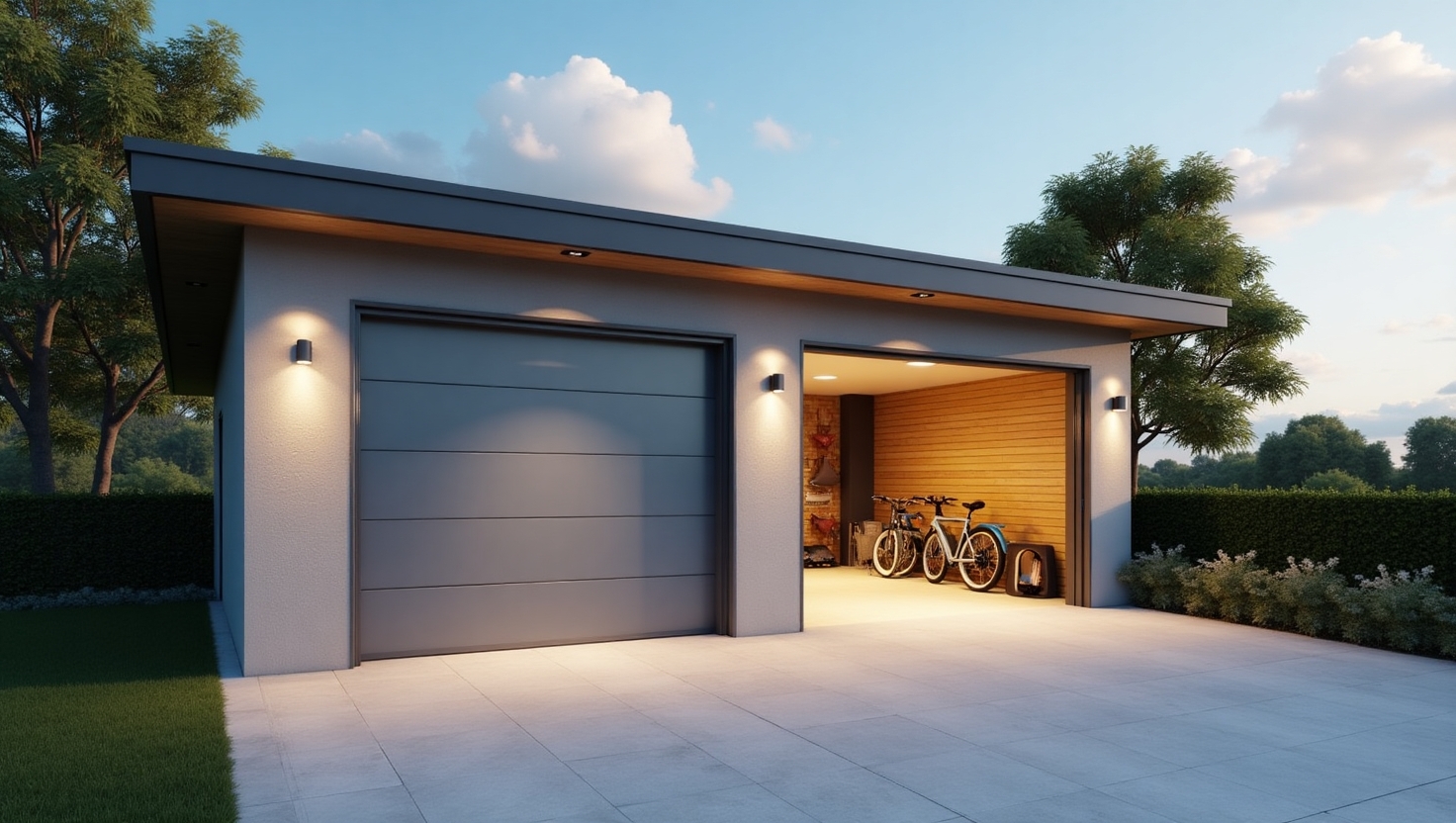
Insulated Garage Doors: The Ultimate Guide for Homeowners
What Are Insulated Garage Doors?
Insulated garage doors are exactly what they sound like—garage doors that have insulation built into their core to provide better thermal performance, noise reduction, and durability. Unlike standard single-layer doors, these doors typically feature two or more layers of materials, such as steel or aluminum, sandwiching insulating materials like polyurethane or polystyrene. This construction transforms a basic garage door into a high-performance barrier that not only enhances your home’s energy efficiency but also increases its overall comfort and functionality.
But it’s not just about temperature control. Think of your garage as another room in your house—one that stores valuable equipment, acts as a workshop, or even serves as a home gym. Without proper insulation, this space can become unbearably hot in the summer and freezing in the winter. Insulated doors maintain a more stable environment year-round. This is especially crucial if your garage is attached to your home, as unregulated temperatures can impact your home’s HVAC system and overall energy bills.
Beyond the practical aspects, insulated garage doors also offer a polished, more premium look. Many homeowners report a noticeable improvement in curb appeal, which can even enhance property value. So while the upfront cost may be higher, the long-term advantages more than make up for it.
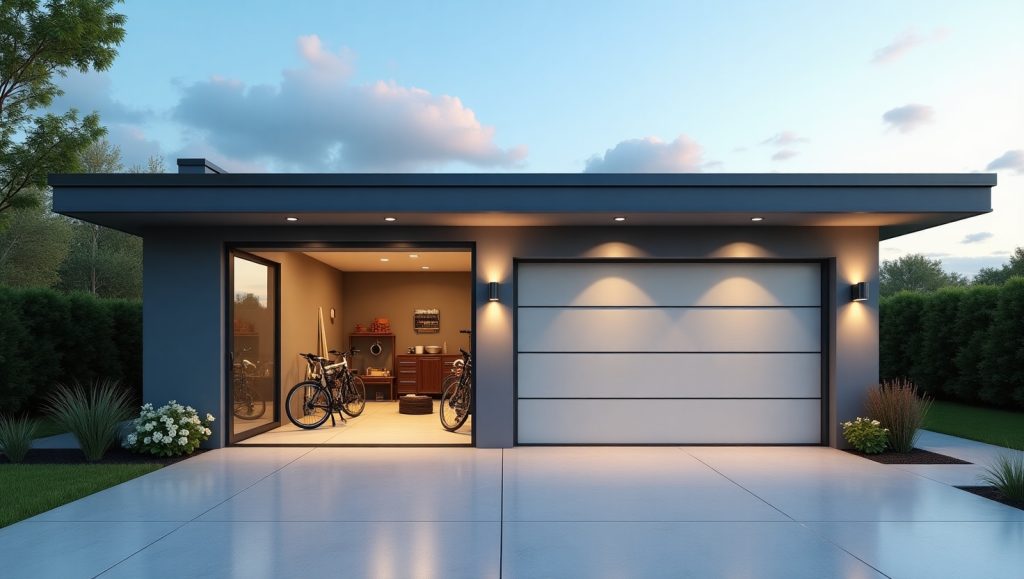
Why Insulation Matters in Garage Doors?
Why does insulation matter? It’s simple—energy efficiency, comfort, and protection. For starters, garages are typically one of the least insulated parts of a home. That means during peak seasons, they can act like a giant thermal leak. Cold drafts in winter? Scorching heat in summer? An insulated garage door helps create a buffer, keeping extreme outdoor temperatures at bay and maintaining a more balanced indoor climate.
More importantly, insulation acts as a protective layer. It guards the interior of your garage from moisture, pests, and even noise. Live near a busy road or have noisy neighbors? You’ll appreciate the extra soundproofing. Insulated doors are also structurally stronger, meaning they are more resistant to dents, warping, and general wear and tear.
Insulation contributes to sustainability as well. By reducing the need for artificial heating or cooling, it lowers your home’s carbon footprint. Plus, many manufacturers are now offering doors made from recycled or eco-friendly materials, allowing you to make a greener choice without compromising on quality.
In short, insulation transforms your garage from a simple storage space into a more usable, efficient, and valuable part of your home.
Benefits of Insulated Garage Doors
Energy Efficiency and Cost Savings
Let’s talk money—because that’s usually the first thing on everyone’s mind. One of the most significant benefits of insulated garage doors is the potential for energy savings. When your garage door is properly insulated, it reduces heat loss in winter and keeps hot air out in summer. This directly lowers the strain on your home’s heating and cooling systems, especially if you have a room directly above or next to the garage.
Over time, these small monthly savings add up. Studies show that insulated garage doors can reduce energy bills by up to 20% in climates with extreme weather patterns. That’s a sizable chunk of change over the years. Plus, with energy prices only going one way (hint: up), investing in insulation now could save you big later.
If you’re environmentally conscious, you’ll also appreciate the reduced carbon emissions associated with lower energy consumption. Some areas even offer tax rebates or incentives for installing energy-efficient home upgrades like insulated garage doors. Be sure to check with your local utility company—you might be surprised at what’s available.
It’s also worth noting that energy efficiency goes beyond just the garage itself. Heat can easily seep into adjacent living spaces, which can lead to uneven room temperatures and additional HVAC use. A properly insulated door acts as a thermal barrier, keeping your home comfortable and efficient.
Noise Reduction Benefits
Have you ever tried working in your garage while someone’s mowing the lawn outside? Or tried relaxing in your home while your teenager is blasting music in their makeshift garage band? Insulated garage doors offer a powerful but often overlooked benefit: soundproofing.
Thanks to their multi-layered construction, insulated doors dampen external noise far better than their non-insulated counterparts. That means less intrusion from street traffic, construction, barking dogs, or even the wind. If your garage is adjacent to a bedroom or living room, the difference can be night and day.
This isn’t just about comfort—it’s about functionality. Many people are transforming their garages into multi-purpose rooms: home gyms, workshops, studios, or even offices. In these scenarios, reducing noise makes the space far more usable. And if you’re the one making the noise—maybe you’re using power tools or running machinery—your neighbors will thank you for choosing a quieter door.
Sound insulation can also help improve your home’s resale value. Buyers increasingly look for practical features that enhance livability, and peace and quiet are always high on the wish list.
Enhanced Durability and Strength
Durability might not be the sexiest feature to talk about, but it’s incredibly important. Insulated garage doors are typically constructed with multiple layers of materials, making them much more robust than standard single-layer models. Whether it’s steel, aluminum, or composite materials, the added layers provide extra strength and resistance to impact.
This toughness pays off in everyday life. Accidentally bump the door with your car? Less likely to leave a dent. Facing a storm with high winds? An insulated door is less likely to warp or crack. Dealing with rowdy kids who treat the garage like a soccer field? You’ll be glad for the added durability.
Another overlooked aspect is longevity. A well-insulated garage door can last significantly longer than its non-insulated counterpart. The insulation helps buffer the effects of temperature changes, reducing the risk of material fatigue, rust, and warping. This means fewer repairs, fewer replacements, and more peace of mind.