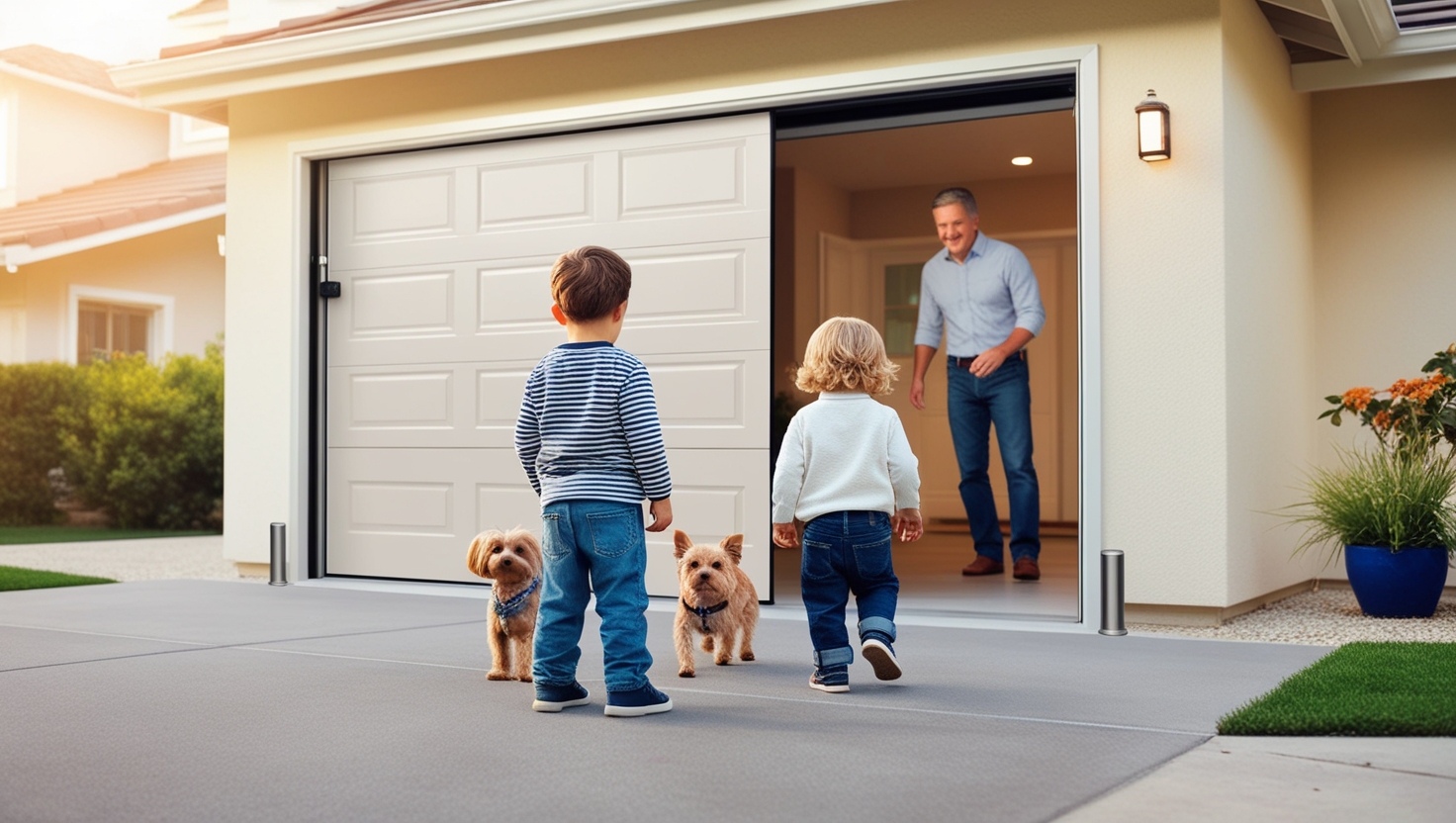
Garage doors, while essential for home security, can pose risks to children and pets. As one of the largest moving parts in your home, a garage door has the potential to cause serious injury if not handled with care. For families, understanding garage door safety is essential to creating a secure environment for everyone. From keeping control buttons out of reach to performing regular maintenance checks, there are plenty of ways to enhance safety around this powerful piece of machinery.
Understanding Garage Door Mechanisms
Garage doors may seem simple but operate through a complex system of springs, cables, and sensors. Recognizing the essential parts and potential risks is the first step to keeping children and pets safe.
- Springs and Cables: These parts bear the weight of the door, making it possible to lift and lower. If they break, they can snap with enough force to injure anyone nearby.
- Sensors: Located near the floor on either side of the door, these sensors detect obstacles and prevent the door from closing on them.
- Emergency Release Mechanism: This feature allows manual control in emergencies. Knowing how it works is important in case you ever need to use it quickly.
Essential Safety Features of Modern Garage Doors
Today’s garage doors come with advanced safety features that can drastically reduce risks for families. Here’s a breakdown of some of the most important ones:
- Automatic Reversal Systems: If the door encounters an obstacle, it should automatically reverse, preventing accidents.
- Photo-Electric Sensors: These sensors detect movement and prevent the door from closing on people, pets, or objects.
- Manual Control and Emergency Release: In case of a power failure, the manual release allows you to open or close the door safely.
Child-Proofing Your Garage Door
For families with children, taking a few extra steps to child-proof your garage door is key. Here’s what you can do:
- Keep Remotes Out of Reach: Store garage door remotes where young children can’t access them.
- Educate Children: Explain the dangers of playing near the garage door and teach them to stay away when it’s in motion.
- Secure Wall Controls: Position control buttons at least five feet above the ground to keep them out of reach of small children.
Locking Mechanisms for Added Safety
In addition to electronic controls, a manual locking system can be an effective way to ensure security. Many smart locks are also available, which allow you to control access to the garage door remotely.
Pet Safety Around Garage Doors
Garage doors can pose unique dangers to pets, as their instinct to explore could lead them too close to a moving door. Here are some ways to keep pets safe:
- Train Pets to Avoid the Garage Door Area: Teaching pets to stay clear of the garage door reduces the risk of accidents.
- Supervise Pets in the Garage: Don’t let pets roam freely in the garage when the door is open or in motion.
Regular Maintenance and Inspections
Routine maintenance is one of the best ways to ensure that your garage door operates safely. Some areas to focus on include:
- Sensors: Regularly check to make sure sensors are aligned and functional.
- Springs and Cables: Look for signs of wear, and replace any parts showing damage.
- Lubrication: Keeping the moving parts lubricated will reduce wear and tear, ensuring smoother operation.
Signs Your Garage Door Needs Professional Repair
If you notice unusual sounds, the door doesn’t open or close smoothly, or the sensors aren’t responding, it’s time to call in a professional. Ignoring these issues can lead to bigger, more costly problems down the line.
Testing Your Garage Door’s Safety Features
To ensure that your safety features are functioning, perform the following checks:
- Automatic Reversal Test: Place an object in the door’s path and close it. If the door doesn’t reverse, the safety feature may need repair.
- Sensor Alignment Test: Confirm that the sensors are aligned correctly by closing the door and moving an object in front of the sensors to check if the door halts.
What to Do in an Emergency
In the event of an emergency, such as someone being trapped or injured, immediately use the emergency release mechanism. Familiarizing yourself with basic first aid can also be beneficial for handling minor injuries until professional help arrives.
Seasonal Garage Door Safety Tips
Adjusting your garage door’s settings and performing seasonal checks can ensure safe operation year-round:
- Winter Precautions: Clear any snow and ice to prevent the door from getting stuck.
- Storm Preparation: Ensure that the garage door is properly secured during high winds to prevent damage.
Additional Safety Tips for Smart Garage Doors
Smart garage doors offer additional safety benefits for families:
- Enable Notifications: Set alerts on your smartphone to get updates on door activity.
- Control Access Remotely: Use smartphone controls to open or close the garage door when necessary.
- Activity Logs: Review logs to check for unusual activity, adding an extra layer of security.
Choosing a Child and Pet-Friendly Garage Door
When selecting a garage door, consider options designed with safety in mind. Modern garage doors often come equipped with stronger sensors, more durable materials, and better locks, all of which can make them more child and pet-friendly.
Importance of Regular Safety Education for Families
Teaching every family member about garage door safety is essential. Make it a routine discussion to reinforce safe habits, such as staying away from the door’s path and not playing with controls.
Common Mistakes to Avoid
Some common mistakes can increase the risk of garage door-related accidents:
- Ignoring Strange Noises: These can signal a problem that needs immediate attention.
- Allowing Children or Pets to Play Nearby: Make sure everyone understands the risks and stays clear of the door’s path.
- Skipping Inspections: Regular checks are essential to keep your door in good working condition.
Conclusion
Ensuring garage door safety for your family is easier than you might think. By regularly inspecting your door, staying updated on safety features, and educating your family, you can keep everyone safe from potential accidents. Remember, a little caution goes a long way when it comes to garage door safety!
FAQs
- What is the safest garage door for families with kids and pets?
A door with strong sensors, an automatic reversal system, and smart capabilities is ideal. - How often should I inspect my garage door?
A monthly inspection is recommended for optimal safety and maintenance. - Are smart garage doors safer than traditional ones?
Yes, they offer added control, notifications, and remote access, which enhances safety. - What should I do if my garage door doesn’t reverse when it should?
Contact a professional immediately, as the reversal feature is crucial for safety. - How can I teach my children to be safe around garage doors?
Educate them on the dangers, keep controls out of reach, and set boundaries for safe distances.